Affordable upholstery cleaning for St Pauls Cray shops
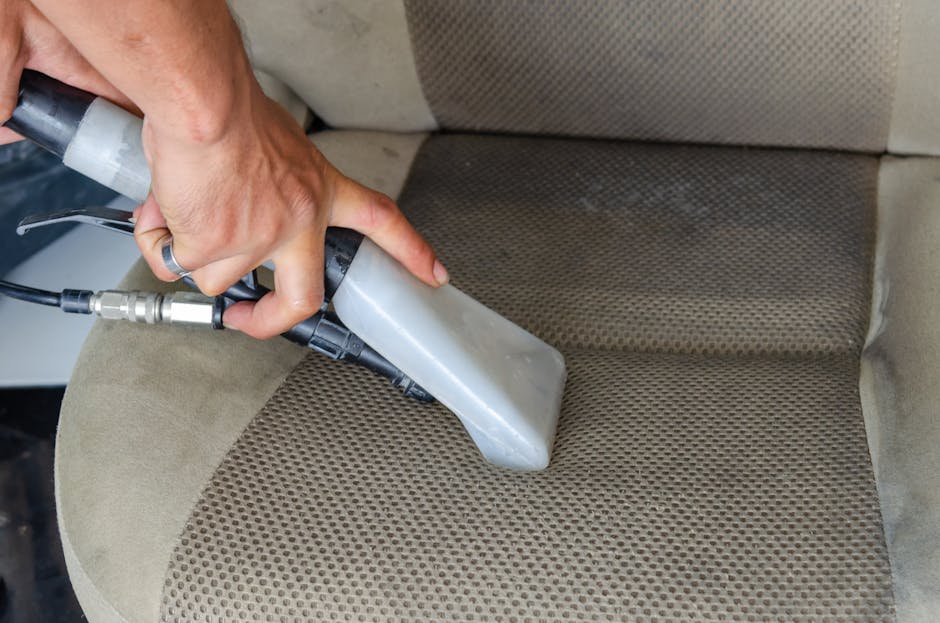
If you run a shop in St Pauls Cray, you already know how quickly upholstered seating can start to look tired. One busy week, a couple of takeaway coffees, a few muddy coats by the door, and suddenly that welcoming armchair near the counter is doing a poor job of welcoming anyone. Affordable upholstery cleaning for St Pauls Cray shops is not just about making fabric look nicer; it is about keeping your premises comfortable, presentable, and easier to manage without blowing the budget.
This guide walks through what affordable upholstery cleaning actually involves, how it works in a shop setting, what to expect from a proper service, and how to get good results without paying for bells and whistles you do not need. Truth be told, a lot of shop owners wait too long. Then the cleaning becomes more costly than it needed to be. A bit frustrating, really.
Whether you manage a boutique, a salon, a small cafe, a showroom, or a mixed retail unit, the right approach can stretch the life of your furniture and keep your space feeling cared for. And yes, it can still be sensible on price.
Why Affordable upholstery cleaning for St Pauls Cray shops Matters
Shop seating works harder than people think. Customers perch while waiting, staff use it during long shifts, and dust, spillages, and everyday grime settle in fast. In a commercial setting, upholstery is part of your first impression. If it looks flat, stained, or a bit whiffy, people notice. They may not say it, but they notice.
Affordable cleaning matters because most shops do not need a premium, full-scale restoration every time. What they need is a sensible, regular service that removes visible soil, neutralises odours, and keeps the fabric in decent condition. That is especially true for small businesses where every pound has to work hard.
There is also a practical side. Dirt trapped in upholstery can wear down fibres, dull colours, and make furniture feel older than it really is. Cleaning at the right intervals can help delay replacement, which is where the real savings usually appear. Not glamorous, maybe, but very real.
For shop owners in and around St Pauls Cray, there is another benefit: consistency. A clean reception chair, bench, waiting area sofa, or display seating area quietly supports trust. Customers feel they are in a business that pays attention to detail. That counts more than many people admit.
If your shop has a broader maintenance schedule, it often makes sense to combine upholstery work with other services such as commercial carpet cleaning or upholstery cleaning so the whole space feels refreshed at once.
How Affordable upholstery cleaning for St Pauls Cray shops Works
Most professional upholstery cleaning starts with an inspection. The cleaner looks at the fabric type, the age and condition of the item, the visible stains, and any labels or care instructions. That first check matters because upholstery is not one-size-fits-all. A synthetic waiting-room chair and a fabric sofa in a boutique are different jobs, even if they both look a bit tired.
After that, the process is usually broken into a few straightforward stages:
- Assessment: Identify the fabric, construction, stains, and any wear points.
- Pre-treatment: Apply suitable solutions to loosen soil and target marks.
- Agitation or dwell time: Let the product work into the fibres, sometimes with light brushing.
- Extraction or cleaning method: Use low-moisture, steam-based, or specialised fabric-safe techniques depending on the item.
- Spot treatment: Deal with stubborn stains separately where needed.
- Drying guidance: Recommend ventilation and sensible dry times so the furniture can go back into use.
In a shop, timing matters. A good cleaner will work around opening hours where possible, or schedule the job before trading begins, after closing, or on a quieter day. That keeps disruption low. No one wants wet seats in the middle of a Saturday rush, obviously.
For businesses that also need fabric care elsewhere in the premises, services such as sofa cleaning, stain removal, or even steam carpet cleaning may be useful alongside upholstery work. The key is choosing what genuinely fits the job, not just stacking services for the sake of it.
Key Benefits and Practical Advantages
The main draw is simple: you keep the space looking cared for without paying for more than you need. But there is a bit more to it than that.
- Better presentation: Clean seating makes a shop feel well maintained and more inviting.
- Longer furniture life: Removing grit and grime reduces fibre wear over time.
- Improved customer comfort: Fresh fabric is more pleasant to sit on, smell, and touch.
- Lower replacement pressure: A maintained chair or bench often lasts longer before it needs replacing.
- Smaller clean-up burden: Regular care prevents stains becoming permanent-looking.
- More manageable budgets: Planned cleaning is usually cheaper than emergency replacement.
There is also the subtle point of mood. A clean waiting area can change how a customer feels while they are there. It is not magic. But it does nudge the experience in the right direction. People relax a little more when the surroundings feel tidy and fresh.
Expert summary: Affordable does not mean basic or careless. In practice, it means choosing the right level of cleaning for the fabric, the traffic level, and the condition of the seating, then doing it regularly enough that grime never gets fully established.
If your premises rely on a small number of statement chairs, booth seating, or upholstered benches, then even a modest clean can make the whole room feel brighter. Sometimes that is all it takes. One clean chair can make the others suddenly look more acceptable, which is a funny little thing, but true.
Who This Is For and When It Makes Sense
This kind of cleaning is useful for many types of shops, not just those with lots of seating. In St Pauls Cray, it may suit businesses such as:
- salons and barbers with waiting benches or styling chairs
- cafes and small eateries with fabric seating
- boutiques with customer seating areas
- showrooms with upholstered display chairs
- high-street retailers with fitting-room stools or lounge areas
- independent offices or service counters that sit within retail units
It makes sense when upholstery shows one or more of these signs:
- visible staining from drinks, food, make-up, or outdoor dirt
- faded, dull, or patchy-looking fabric
- slight odours from daily use
- a grimy feel on armrests or headrest areas
- customers regularly using the furniture throughout the day
It also makes sense before busy trading periods, seasonal promotions, or a refit. If you are expecting more footfall, your upholstery should not be the thing that lets the place down. Sounds obvious, but it gets overlooked surprisingly often.
For reassurance about who is behind the service, you can review about us and, if you want to understand service expectations more clearly, the business details in terms and conditions can help set the right picture before booking.
Step-by-Step Guidance
If you are comparing providers or planning upholstery cleaning for the first time, this simple process helps keep things practical.
- List the items that need attention. Count chairs, benches, sofas, stools, and any upholstered items in customer-facing areas.
- Note the fabric type if you can. Some materials respond better to low-moisture methods, while others tolerate deeper cleaning.
- Identify problem areas. Mark the stains, odours, or high-contact zones that matter most.
- Decide what really needs cleaning now. You may not need the whole room done at once.
- Ask for a tailored quotation. A sensible price usually reflects item count, condition, access, and cleaning method.
- Choose an off-peak time. Early morning or after closing often works best for shops.
- Prepare the area. Clear personal items, stock, or displays around the furniture.
- Check drying advice. Make sure you know when each item can be used again.
A practical tip: do not book cleaning based only on the cheapest headline price. A low number can be fine, but only if it includes the actual work you need. Otherwise it is the classic false economy. We have all seen that one.
If your business wants straightforward quote guidance, the page on pricing and quotes is a useful place to understand how estimates are usually approached. For payments, payment and security is worth checking too, especially if you like to keep admin tidy and predictable.
Expert Tips for Better Results
Here is where small decisions save real money.
- Clean before stains set hard. Fresh spillages are always easier to treat than older ones that have bonded into the fibres.
- Use the gentlest method that does the job. Not every fabric needs an aggressive clean.
- Ask about drying times. Faster drying reduces disruption and helps you get back to trading sooner.
- Keep upholstery away from repeated splash zones. If possible, move seating slightly away from drinks prep, entrances, or open doors.
- Rotate seating where practical. Uneven wear is common in shop waiting areas.
- Deal with odours early. Smells cling to fabric long before they look obvious.
If you have a mix of furniture across the shop, it can be smart to combine upholstery care with rug cleaning or curtain cleaning so the whole customer area feels fresher. Not because everything must be spotless all at once, but because fabrics in the same room tend to age together. Bit of a domino effect.
Another useful habit is to take quick photos before and after cleaning. Not for vanity. For planning. It helps you see whether the schedule is working, and whether certain seats need more attention than others.
Common Mistakes to Avoid
Shops often make upholstery more expensive to maintain than it needs to be. Usually because of a few avoidable habits.
- Leaving cleaning too long: Dirt builds up, stains deepen, and the job becomes harder.
- Choosing price without checking scope: Cheap is not helpful if it excludes the items you actually need cleaned.
- Using too much liquid: Over-wetting can lead to long drying times and can sometimes leave marks.
- Ignoring fabric instructions: Different textiles need different treatment. Sounds basic, but it gets missed.
- Forgetting traffic patterns: Arms, headrests, and front edges usually need more attention than the rest.
- Booking during the busiest trading window: That creates unnecessary disruption and may rush the work.
One small but important mistake is assuming every stain should vanish instantly. Some marks lighten dramatically, some lift almost fully, and some are simply too old or chemically altered to disappear completely. A trustworthy cleaner will say that clearly rather than overselling. That honesty matters more than a shiny promise.
If you need a more targeted approach for a difficult mark, the service page for stain removal can be relevant, especially where a spot needs more focused treatment than a standard refresh.
Tools, Resources and Recommendations
You do not need a giant checklist of specialist gear as a shop owner, but it helps to know what a decent upholstery cleaning setup usually involves.
- Fabric-safe cleaning solutions: chosen for the material and the soil level
- Extraction equipment or low-moisture systems: to remove dirt without leaving fabric soaked
- Hand tools and brushes: for agitation, detailing, and edges
- Spot treatment products: for drinks, food, grease, or body soil
- Drying support: airflow, ventilation, and practical re-use guidance
From a business point of view, the most useful resource is usually a clear service plan. That means knowing what gets cleaned, how often, and what counts as an urgent issue. A good provider should be able to explain that in plain English, not bury it in jargon.
If you are comparing providers, it is sensible to review their policies too. The pages on health and safety policy, insurance and safety, and recycling and sustainability can help you judge whether their approach suits a shop environment where customers and staff are moving around all day.
For the occasional business that wants a broader fabric refresh, carpet cleaning and steam carpet cleaning can be helpful companions to upholstery work. Used together, they often give the biggest visual lift for the least fuss.
Law, Compliance, Standards, or Best Practice
For shops, upholstery cleaning is not usually a heavily regulated activity in itself, but there are still sensible duties and expectations to keep in mind. In practice, this means working safely, protecting customers and staff, and using suitable products and methods for the material in question.
If you run a business premise, it is wise to expect the cleaner to operate with appropriate care around:
- slip risks from damp floors or overspray
- electrical items near the work area
- ventilation during and after cleaning
- safe handling of cleaning products
- privacy and security while working in your premises
Good practice also means clarity. You should know what is included, what is excluded, and what happens if a stain does not respond as hoped. This is where straightforward communication matters more than fancy wording. If a provider can explain things clearly, that is usually a good sign.
For many shop owners, the most useful trust signals are simple ones: written quotes, transparent service scope, sensible scheduling, and clear complaint handling. If you ever need it, the site's complaints procedure gives you a path for raising concerns in an orderly way rather than muddling through by email and crossed fingers.
And because many shops handle customer information, even basic admin matters matter. A clean, professional service should respect privacy, payment security, and access arrangements. No drama. Just calm, reliable workmanship.
Options, Methods, or Comparison Table
Different upholstery situations call for different methods. Here is a simple comparison to help you decide what may suit your shop best.
| Method | Best for | Pros | Things to watch |
|---|---|---|---|
| Low-moisture upholstery cleaning | Busy shops needing quicker turnaround | Less downtime, faster drying, good for routine maintenance | May be less suited to very heavy soiling |
| Deep extraction cleaning | Items with deeper grime or more visible staining | Can remove more embedded dirt and odour | Usually needs more drying time |
| Spot or stain-focused treatment | Small problem areas on otherwise decent upholstery | Cost-effective when only one or two marks matter | Not a substitute for whole-item cleaning if the fabric is broadly dirty |
| Combined fabric care visit | Shops with upholstery plus carpets, rugs, or curtains | Efficient, easier scheduling, better overall presentation | Needs sensible planning so the visit does not become too broad |
If you are trying to keep costs down, the best option is often not the cheapest method but the most appropriate one. A quick refresh on a reasonably clean chair is smart. A deep-soiled bench treated with the wrong method is not.
Case Study or Real-World Example
Imagine a small shop in St Pauls Cray with two fabric armchairs by the till, a narrow bench near the fitting area, and a couple of stools in a back waiting space. Nothing dramatic. Just everyday use.
At first, the owner barely notices the wear. Then someone mentions the smell after a rainy day, and one armchair shows a darker patch where people rest their hands. By the end of the month, the seating looks more tired than the rest of the shop. The whole space feels slightly less cared for, even though the stock is fine and the shelves are neat.
Instead of replacing everything, the owner arranges a targeted upholstery clean on the customer-facing items. The worst marks are pre-treated, the fabric is cleaned with a suitable method, and the seating is left to dry overnight. By the next opening time, the room feels lighter and cleaner. Not brand new, of course. But much better. The kind of better that customers notice without consciously thinking about it.
That is the real value of affordable cleaning. It is not about polishing something for a photo. It is about keeping a working shop presentable with a sensible spend. And that is often enough.
Practical Checklist
Before you book, run through this quick checklist. It saves time and awkward surprises.
- Have you identified every upholstered item that needs cleaning?
- Do you know which items are customer-facing and which are staff-only?
- Have you noted the worst stains or odours?
- Do you understand the likely drying time?
- Have you checked whether the cleaner offers a method suitable for your fabric?
- Have you asked what is included in the price?
- Have you chosen a time that will not disrupt trading too much?
- Are you clear on any access needs, parking limits, or entry instructions?
- Do you know how to maintain the upholstery after the clean?
- Have you reviewed the provider's trust and service information?
Small things, but they matter. A well-prepared visit tends to go more smoothly and usually gives better value for money. Simple as that.
Get a free quote today and see how much you can save.
Conclusion
Affordable upholstery cleaning for St Pauls Cray shops is really about balance: enough care to keep your seating clean, professional, and comfortable, without paying for more than your business needs. When you plan cleaning properly, choose the right method, and keep on top of wear before it turns into damage, the savings tend to show up over time.
For most shop owners, the smartest approach is steady maintenance rather than crisis cleaning. A small refresh now is usually easier than a costly replacement later. And if you are trying to make a customer area feel calmer, brighter, and more trustworthy, a good upholstery clean can do more than people expect. Quietly. Without fuss.
If you are ready to take the next step, look at the service details, compare your options, and choose a provider that feels clear, careful, and easy to work with. That calm confidence is worth a lot in a busy shop.
Sometimes the best business decisions are the boring ones. This is one of them, in the nicest possible way.
Frequently Asked Questions
How often should shop upholstery be cleaned?
It depends on footfall, fabric type, and how quickly marks appear. Busy customer areas may need attention more often than staff-only seating. A light, regular clean is usually easier to manage than waiting for heavy build-up.
Is upholstery cleaning suitable for small independent shops?
Yes. In fact, smaller shops often benefit a lot because one or two worn chairs can affect the whole room. A tailored clean is usually more practical than replacing furniture early.
Can upholstery cleaning remove old stains completely?
Not always. Older stains can bond with fibres or alter the dye. A good cleaner should explain the likely outcome honestly and aim for the best possible improvement, not make promises they cannot keep.
Will the furniture need to stay out of use for long?
That depends on the cleaning method and the fabric. Some items dry fairly quickly, while deeper cleans can take longer. It is sensible to ask about drying time before booking so you can plan around opening hours.
What makes a cleaning service affordable without being poor quality?
Good value usually comes from the right method, the right scope, and a clear price. Affordable does not mean rushed or watered down. It means paying for what is needed and not for unnecessary extras.
Can upholstery cleaning be combined with carpet cleaning?
Often, yes. For many shops it makes sense to refresh seating and flooring together so the whole customer area feels consistent. That can also be more efficient from a scheduling point of view.
What should I do before the cleaner arrives?
Clear nearby stock, remove personal items, and point out any problem areas. If you know where the stains are, show them straight away. It sounds obvious, but it saves time and helps the cleaner focus on what matters most.
Is steam always the best option for upholstery?
No. Steam-based methods can be useful in some cases, but different fabrics need different treatment. The best approach depends on the material, soil level, and drying expectations.
How do I know if my shop furniture is suitable for cleaning?
Check care labels where available, and ask for an inspection if you are unsure. A proper cleaner will assess the fabric before starting rather than guessing. Guessing is not a strategy, despite how often people try it.
What if I only have one or two chairs that need attention?
That is still worth dealing with. Small jobs can make a big difference to the way a shop feels. In some cases, spot treatment or a focused clean is all that is needed.
Should I choose the cheapest quote I receive?
Not automatically. Compare what is included, what method is being used, and whether the provider seems clear about results and drying time. A slightly higher quote can be better value if it saves replacement costs later.
Where can I find more information about the company's policies and service details?
You can review the company's about us page, along with the information on insurance and safety and contact us. That helps you check practical details before you book.